Adorable Amphibians: Using Watercolor Frog Clipart
There is a specific kind of charm that comes with watercolor illustration—specifically when it captures the whimsical, bulging-eyed curiosity of a frog. If you are working on a project that requires a touch of nature mixed with a playful personality, the Watercolor Cute Frog Sublimation Clipart offers a versatile solution. This isn't just a random doodle; it is a carefully crafted digital asset designed to bridge the gap between artistic expression and commercial utility. Whether you are a seasoned graphic designer looking for texture or a small business owner building a product line from scratch, understanding how to leverage this specific style of clipart is crucial for standing out in a crowded market.
The Visual Appeal of Hand-Painted Texture
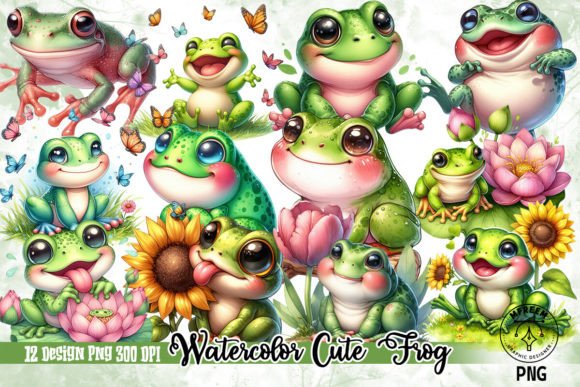
When you look at this clipart, the first thing you notice is the texture. Unlike flat vector graphics, watercolor art brings an organic, imperfect quality that feels human and warm. The "Cute Frog" aspect is achieved through soft edges, gentle color bleeds, and a character design that prioritizes friendliness over realism. This style taps into the current trend of modern typography and illustration that favors hand-made aesthetics over rigid digital lines. It serves as a fantastic design asset because it adds depth to a layout without overwhelming the viewer.
The file specifications—4500 x 5400 pixels at a high resolution of 300 DPI—are non-negotiable for print production. In the world of digital design, 72 DPI is fine for screens, but the moment you move to physical goods, you need that high density of pixels to ensure the watercolor washes don't look pixelated or muddy. This high resolution ensures that whether you are printing a small sticker or a large poster, the integrity of the brushstrokes remains intact. It is a premium font and asset standard that separates amateur work from professional products.
Integrating Clipart into Brand Identity and Products
For entrepreneurs and marketers, the challenge often lies in finding assets that fit a specific brand identity. A watercolor frog is incredibly specific, yet surprisingly versatile. It works exceptionally well in packaging design for eco-friendly products, children’s education materials, or even a quirky café menu. The visual language of the frog suggests playfulness and environmental consciousness.
Consider the applications mentioned in the product details: stickers, mugs, t-shirts, wedding cards, invitation cards, greeting cards, posters, birthday cards, printable decorations, scrapbooking. This list isn't just a sales pitch; it represents the actual workflow of a print-on-demand business. When creating social media graphics or web design elements, you can use the frog as a mascot or a recurring visual motif to create consistency across your channels. However, remember that this is an image asset, not a typeface. It cannot be typed out like a script font or sans serif font. Instead, it acts as a companion to your typography choices.
Practical Application: From Screen to Print
The product is delivered as a PNG file. This is significant because PNGs support transparency. This means you aren't stuck with a white box around your frog; you can layer this image over textured paper backgrounds, photographs, or colored layouts in software like Photoshop, Canva, or Procreate. This transparency is vital for editorial design and creating seamless patterns.
For those in the crafting community, particularly those using cutting machines or sublimation printers, the "instant download" nature of the product speeds up the creative process. You don't have to wait for shipping; you can move from concept to production immediately. This efficiency is a key part of modern business strategy.
Strategic Pairings and Design Hierarchy
One of the most common mistakes I see in design is the clash between imagery and typography. Since the Watercolor Cute Frog Sublimation Clipart is soft and organic, pairing it with a harsh, geometric display font can create visual dissonance. Instead, look for typefaces that complement its personality.
- Font Pairing Ideas: A rounded handwritten font works beautifully for headings to maintain that friendly vibe. For body text, a clean, readable serif font or a soft sans serif font ensures legibility while letting the frog art take center stage.
- Visual Hierarchy: Use the frog to guide the eye. If you are designing a card, place the frog near the call to action. The eye naturally goes to the detailed, colorful image first, then travels to the text.
- Color Theory: Because watercolors are translucent, the background color matters. A white background keeps it crisp and clean, while a kraft paper texture background can give it a rustic, vintage feel perfect for logo design elements or branding for artisanal goods.
Commercial Licensing and Creative Professionalism
As a creative professional, I always advise reading the fine print. The listing notes that this is for an INSTANT DOWNLOAD and that no physical product is shipped. This is standard for digital goods, but the usage rights are what matter. If you are a small business owner creating merchandise to sell, you generally need to ensure the asset is licensed for commercial use.
This specific clipart allows for a wide range of creation. It is not just for personal scrapbooking; it is a tool for building a business. Whether you are a blogger needing unique graphics to break up text, or a publisher looking for cover art for a nature journal, the asset provides a high-quality foundation.
Furthermore, relying on a consistent set of design assets helps build recognition. If you use this frog style across your Instagram stories, your website header, and your physical product tags, customers will start to recognize your brand's "face" instantly. This consistency is the hallmark of professional creative font and asset usage.
In conclusion, the Watercolor Cute Frog Sublimation Clipart is more than just a cute picture. It is a high-resolution, versatile tool for anyone looking to inject personality and organic warmth into their projects. By pairing it with the right typography and respecting the technical specifications of the file, you can create products and designs that resonate deeply with your audience. So don’t forget to follow the creator for the latest unique designs—staying updated with fresh assets is the best way to keep your creative work evolving.