Mitochondria Cell Anatomy Illustration: A Designer's Creative Asset
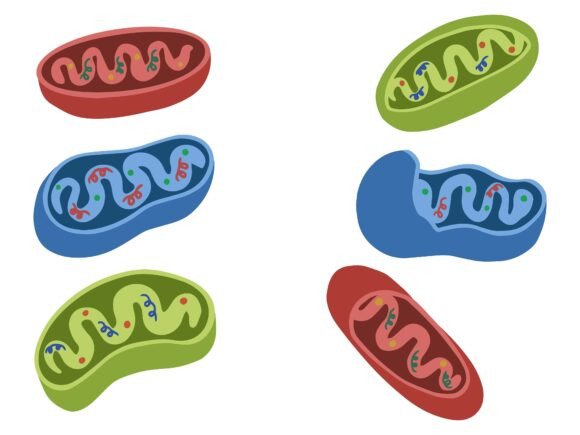
When you first encounter the Mitochondria Cell Anatomy Illustration, it's more than just a simple graphic; it's a versatile piece of modern typography and scientific artistry combined. This particular design asset captures the intricate details of cellular biology, translating complex scientific concepts into a visually engaging format. The style is clean, precise, and educational, yet it carries a contemporary flair that makes it suitable for a wide array of creative projects. Its visual personality is one of intelligent elegance, appealing to audiences who appreciate both aesthetic beauty and scientific accuracy.
Visual Characteristics and Design Appeal
The core of this illustration lies in its detailed representation of the mitochondrion, often called the powerhouse of the cell. The design typically features the double-membrane structure, the inner folds known as cristae, and the matrix, all rendered with clarity. The style can range from highly realistic, almost textbook-like depictions to more stylized, abstract interpretations that focus on shape and color. This flexibility is a key strength, allowing the Mitochondria Cell Anatomy Illustration to fit into diverse design contexts. Whether it's a minimalist line drawing for a tech startup's branding or a vibrant, colorful illustration for an educational poster, the asset adapts seamlessly.
One of the most compelling aspects is its inherent sense of professionalism. In design, visual hierarchy is crucial, and this illustration naturally commands attention. It can serve as a strong focal point in a layout, guiding the viewer's eye and establishing a clear point of interest. For brand identity, using such a specific and well-crafted image signals expertise and attention to detail. It tells your audience that you value precision and quality, which can significantly influence brand perception and recognition.
Practical Applications Across Industries
The true value of the Mitochondria Cell Anatomy Illustration is realized in its application. For entrepreneurs and small business owners in the health, wellness, biotech, or education sectors, this asset is a goldmine. It's perfect for logo design, where a simplified version can become an iconic mark. In packaging design, it can add a layer of scientific credibility to supplements, skincare products, or educational kits. Bloggers and content creators in the science communication space can use it to elevate their articles, making complex topics more accessible and visually appealing.
For designers working on editorial design or web design, the illustration integrates beautifully. It can be used as a hero image, a section divider, or a background texture. Its scalability, especially in vector formats like SVG and EPS10, means it remains crisp on everything from a mobile screen to a large-format print. Marketers can leverage it in social media graphics to create eye-catching posts that stand out in a crowded feed. The included file variety—JPG on white, PNG with transparency—offers immediate usability across different platforms and software.
Maximizing the Asset in Your Projects
Choosing to incorporate the Mitochondria Cell Anatomy Illustration into your work is a strategic decision. Start by evaluating your project's core message. Is it about innovation, health, education, or precision? This illustration aligns perfectly with those themes. When testing font pairing, consider typefaces that complement its clean lines. A modern sans serif font often works well for headings, providing a contemporary feel, while a readable serif can be used for body text in longer documents.
For practical use, consider the following recommendations:
- Branding and Identity: Use a simplified, monochrome version of the illustration for logos and business cards to maintain clarity at small sizes.
- Digital and Print Media: Utilize the high-resolution JPG and PNG files for blog headers, infographic elements, or poster backgrounds. The transparent PNG is invaluable for layering over different colored backgrounds or textures.
- Product and Merchandise: The SVG and EPS10 files are ideal for sublimation on T-shirts, mugs, and shopping bags. They can be scaled without loss of quality, ensuring vibrant prints. For wedding invitations or stickers with a science theme, the intricate details add a unique, personalized touch.
- Commercial Licensing: Always verify the license included with your purchase. Most premium design assets like this come with a commercial license that allows use in client projects and for sale, but it's crucial to read the terms to ensure compliance.
Ultimately, the Mitochondria Cell Anatomy Illustration is more than a static image. It's a flexible design asset that bridges the gap between scientific accuracy and creative application. By understanding its visual strengths and practical potential, you can leverage it to create more professional, engaging, and memorable designs that resonate with your intended audience, whether they are fellow scientists, health-conscious consumers, or design-savvy clients.